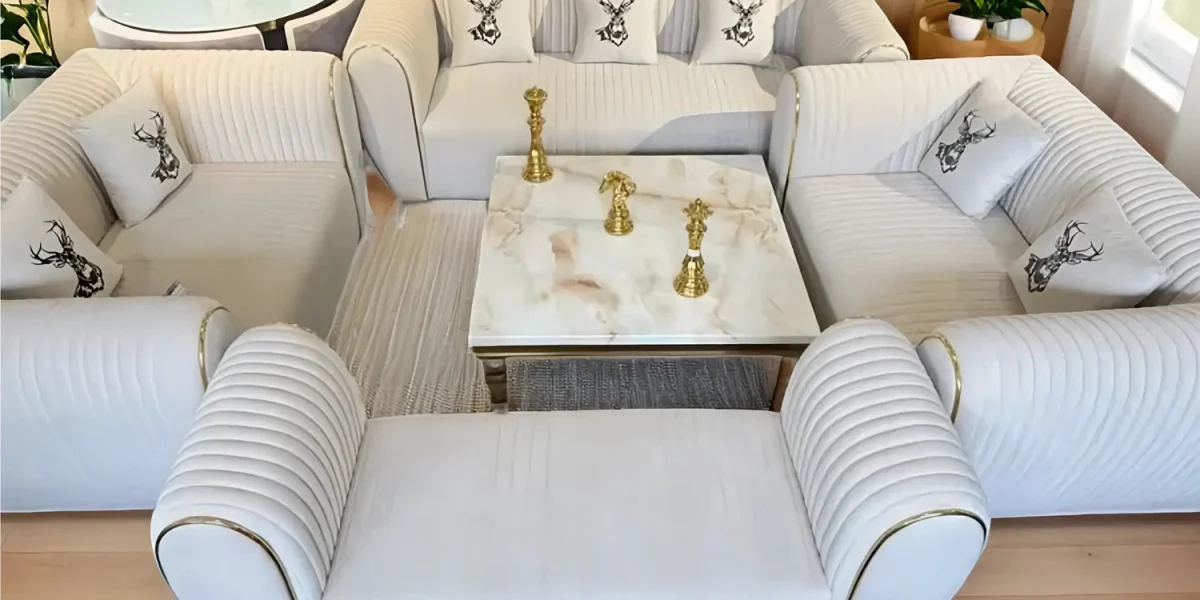
One of the most frequent conversations we have in our Los Angeles workshop isn’t just about fabric selection or color palettes—it’s about what goes underneath. You can have the most beautiful, high-end velvet or durable linen on a sofa, but if the foam density isn’t right for your lifestyle, you’re never going to love sitting on it.
We see this often with clients who come to us for reupholstery. They have a piece of furniture they adore aesthetically, but they find themselves avoiding it because it’s either “a brick” or a “marshmallow.” The truth is, there is no universally “correct” firmness. What works for a cozy TV room lounger might be a disaster for a formal sitting room or a high-traffic restaurant booth.
When you are commissioning a custom piece or giving new life to an old favorite, understanding foam density and firmness is actually more critical than the pattern on the fabric. It dictates the longevity of the piece and your physical comfort.
Why “Density” Isn’t Just Firmness
There is a huge misconception in the furniture world that “high density” means “rock hard.” We need to clear that up right away because it impacts how you should budget for your project.
Density refers to the weight of the foam per cubic foot. In layman’s terms: how much actual material is inside the foam versus air bubbles. A high-density foam (like a 2.5 lb foam) is going to last significantly longer than a low-density foam (like a 1.2 lb foam), regardless of how soft or firm it feels.
You can actually have a high-density foam that feels soft and plush. This is the sweet spot for luxury residential upholstery. You want that sink-in feeling without the cushion collapsing into a pancake after six months of use. When we build custom sofas for homes in Beverly Hills or Santa Monica, we rarely suggest anything under 1.8 density because we want that piece to hold its shape for a decade, not just a season.
Firmness, on the other hand, is measured by ILD (Indentation Load Deflection). This is the number that tells you how hard the foam feels. So, when you talk to us about your project, try to separate durability (density) from comfort (firmness). We always aim for high density for durability, but the firmness? That’s entirely up to your personal preference.
The “Sit Test”: Assessing Your Lifestyle Needs
Choosing the right foam is very much like choosing a mattress. You cannot decide purely based on specs; you have to think about how you live.
If you are designing a deep, slipcovered sofa for a media room where the primary activity is napping or binge-watching movies, a softer ILD with a down-wrap is usually the goal. You want the cushion to envelope you. However, you have to be prepared for “comfort wrinkles.” Softer foam and down require maintenance; you have to fluff them. If you are the type of person who needs your living room to look architectural and pristine at all times, a super soft cushion will drive you crazy.
Contrast this with a commercial project. When we do booth seating for restaurants in Downtown LA or WeHo, we lean toward firmer, high-resiliency foam. Why? Because diners are sitting to eat, not to sleep. A firm seat supports posture, makes it easier to slide in and out of a booth, and generally looks sharper after hundreds of people have sat on it.
For residential clients with back issues or older family members, we usually recommend a medium-firm setup. It provides enough push-back to make standing up easy, which is a practical consideration that is often overlooked until the furniture is already delivered.
The Construction Layers Matter
Foam is rarely just a single block of yellow sponge. Well, cheap furniture is, but custom upholstery is an art of layering.
To achieve that perfect balance where a cushion feels soft initially but offers deep support, we often use a “sandwich” technique or specialized wraps. A common approach for a high-end feel is a firm core of high-density foam, wrapped in a softer foam, and then encased in a layer of Dacron batting or a down-and-feather envelope.
The Dacron wrap creates that crowned, puffy look that fills out the corners of your cushion cover. Without it, the fabric looks loose and sloppy. The inner core prevents you from “bottoming out”—which is that unpleasant sensation of feeling the wooden frame of the sofa through the cushion when you sit down fast.
If you bring us an old sofa that feels like sitting on a wooden bench, it usually means the foam has oxidized and crumbled, or it was low density to begin with and has lost all its resilience. Replacing these cores with a layered, high-quality foam structure can make a twenty-year-old sofa feel better than a brand-new one from a big-box store.
Why Commercial and Hospitality Projects Are Different
We handle a lot of commercial work, and the rules change slightly here. For a bar or a hotel lobby, the priority shifts heavily toward longevity and “return action.”
When a guest stands up from a lobby chair, the cushion needs to snap back to its original shape instantly. If it leaves a “butt print” for ten minutes, the furniture looks worn and messy. For these high-traffic environments, we use High Resiliency (HR) foam with a higher firmness rating.
It’s also worth nothing that commercial foam specifications often have to meet stricter fire codes depending on the specific location in California. We navigate these regulations for our clients to ensure that the custom banquettes or lobby seating are not only comfortable and durable but also fully code-compliant.
Changing Your Mind Later
One of the great things about custom upholstery is that nothing is permanent. We have had clients who ordered a very firm cushion setup because they wanted a formal look, and two years later, they moved the sofa to a den and wanted it softer.
Because our frames are built to last, swapping out the foam cores is a relatively straightforward service. Unlike mass-produced furniture where the cushion is sometimes sewn directly into the frame or made of inferior materials that can’t be manipulated, custom cushions have zippers and accessible interiors. We can open them up, shave down the core, add a softer wrap, or replace the foam entirely without you having to buy a whole new piece of furniture.
Recommendations for Your Next Project
If you are planning to reupholster that vintage mid-century modern chair or build a custom sectional for your family room, here is a quick cheat sheet for talking to us about foam:
For the TV Watcher: Ask for a medium-density core with a thick down-blend wrap. It gives you the “sink-in” factor but maintains structure better than 100% down.
For the Formal Living Room: Go with a High Resiliency (HR) foam in a firm rating with a tight Dacron wrap. This keeps fabric taut and wrinkles at bay.
For the Kitchen Banquette: Firm is best. It withstands the daily abuse of kids and breakfast routines and allows you to slide along the bench easily.
For Outdoor Furniture: This is a special category. We use reticulated foam (often called “dry-fast” foam) for patio cushions. It has large, open pores that allow water to drain right through rather than getting trapped like a sponge. Never use standard indoor foam for outdoor cushions, or you’ll be dealing with mold very quickly.
Ultimately, the best way to choose is to feel it. When we work on a project, we can describe densities all day, but we prefer to guide you based on how you actually sit. Do you tuck your legs up? Do you lie down? Do you have pets that jump on the furniture? These operational details help us engineer the perfect seat for you.
Whether you are in Silver Lake, Pasadena, or anywhere in the greater Los Angeles area, we are here to help you navigate these choices. Custom furniture is an investment, and getting the “inside” right is just as important as getting the outside right.
